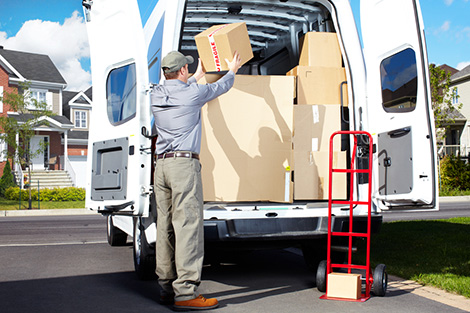
Brimsdown removal service for Chase Farm Hospital moves: a practical guide for smoother hospital-related removals
If you are arranging a Brimsdown removal service for Chase Farm Hospital moves, you probably already know this is not a typical house move. Hospital-related moves tend to be time-sensitive, a bit more delicate, and far less forgiving if something is forgotten at the last minute. Whether you are moving home, relocating a staff member, shifting office equipment, or helping with a sensitive clearance, the job needs careful planning and a calm, organised approach.
Let's face it: when the clock is ticking and access windows are tight, you do not want guesswork. You want a removal service that understands timing, handling, parking, lift access, and the simple reality that a hospital move can affect more than one person's day. This guide breaks down how the process works, what to look out for, and how to make the move feel manageable from the start.
As you read, you will find practical steps, common mistakes, and a few real-world pointers that help the whole thing run more smoothly. If you need broader support alongside the move, you may also find useful guidance on man with van services, home moves, and packing and unpacking services.
Table of Contents
- Why Brimsdown removal service for Chase Farm Hospital moves Matters
- How Brimsdown removal service for Chase Farm Hospital moves Works
- Key Benefits and Practical Advantages
- Who This Is For and When It Makes Sense
- Step-by-Step Guidance
- Expert Tips for Better Results
- Common Mistakes to Avoid
- Tools, Resources and Recommendations
- Law, Compliance, Standards, or Best Practice
- Options, Methods, or Comparison Table
- Case Study or Real-World Example
- Practical Checklist
- Conclusion
- Frequently Asked Questions
Why Brimsdown removal service for Chase Farm Hospital moves Matters
A move connected to Chase Farm Hospital is often different from a standard local removal. There may be restricted access points, narrow time slots, sensitive belongings, or equipment that needs extra care. Even when the actual journey is short, the logistics can be surprisingly fiddly. That is why a Brimsdown-based removal service can be such a sensible choice. It keeps the work local, responsive, and easier to coordinate when plans change a little, which they often do.
Hospital-adjacent moves also tend to involve people who are already under pressure. Staff may be changing shifts, families may be managing appointments, and patients or carers may be fitting a move around a very full day. In that setting, a good removal team is not just moving boxes. They are helping reduce stress, avoid delays, and keep things steady.
There is also the issue of trust. A person might be moving documents, small office items, medical-related supplies, personal belongings, or furniture that needs to be handled without fuss. You want careful lifting, sensible loading, and a crew that shows up when they say they will. Not glamorous, perhaps, but absolutely the point.
Expert summary: The best hospital-related removal services are not defined by speed alone. They are defined by reliability, careful planning, and the ability to work around real constraints without creating more noise in an already busy environment.
How Brimsdown removal service for Chase Farm Hospital moves Works
Most hospital-linked removals follow a simple structure, although the details vary depending on what is being moved. In practice, the process usually starts with a quick assessment of access, item types, and timing. Then the team decides what vehicle, labour, and packing support are needed. Simple enough on paper. In real life, this is where good planning saves the day.
A well-run move usually looks like this:
- Initial discussion: You explain what needs moving, where it is going, and whether there are time restrictions, fragile items, or loading concerns.
- Planning and quote: The removals team estimates labour, vehicle size, journey time, and any extra handling needed.
- Preparation: Items are packed, labelled, and grouped so that unloading is faster and less chaotic.
- Collection: The crew arrives, protects the items, loads the vehicle, and checks the route and access details.
- Delivery and placement: Everything is unloaded carefully and placed where it needs to go, rather than being dumped in a pile and left for you to sort out later.
If the move involves larger furniture or business equipment, you may want a bigger vehicle or a dedicated removal truck hire. For smaller or quicker jobs, a flexible man and van option can be the better fit. It depends on volume, not just distance.
One small but important detail: hospital areas often have awkward loading conditions. A lift may be busy. A bay may be shared. There may be a short walk from the vehicle to the door. These little things matter more than people expect.
Key Benefits and Practical Advantages
There are plenty of reasons people choose a local removal service for this kind of move, and not all of them are about saving time. In our experience, the biggest benefit is often peace of mind. When the move is tied to a hospital or healthcare setting, the emotional load can be just as real as the physical one.
- Local knowledge: Brimsdown-based teams are usually better placed to understand local roads, access patterns, and timing around Enfield-area routes.
- Better scheduling: Shorter travel time can make it easier to work around appointments, shifts, or handover windows.
- Less disruption: A focused removal team can keep the process tidy and efficient, which is especially valuable in a busy environment.
- Safer handling: Proper lifting, padding, and loading reduce the chance of damage to furniture, equipment, and walls.
- Lower stress: A clear plan removes a lot of last-minute scrambling. And honestly, that is half the battle.
There is also a practical upside to using services that can support more than one part of the move. For example, if you need items packed before transport, packing and unpacking services can save a lot of time. If the move is linked to a workplace relocation, office relocation services may be a better match than a general home move.
Who This Is For and When It Makes Sense
This kind of removal service is useful for a surprisingly wide range of people. You might assume it is only for big hospital departments, but that is not really the case. Small moves can be just as tricky, sometimes more so, because they still need care but do not always justify a huge operation.
It tends to make sense if you are:
- moving a staff member's household items near Chase Farm Hospital
- relocating office furniture or admin equipment tied to healthcare work
- clearing a room, store area, or small workspace
- moving fragile items that need careful wrapping and loading
- handling a time-sensitive move around shifts, appointments, or site access
- needing help with a one-off local move rather than a large national relocation
Sometimes people are really just looking for a reliable pair of hands and a van, not a whole parade of extras. That is fair enough. If the job is modest, a man with van service can be a neat, economical option. If the move is larger or more structured, a heavier-duty vehicle may be the better call.
It is worth saying that not every move needs to be over-planned. But under-planned? That causes trouble. Every time.
Step-by-Step Guidance
If you want the move to feel under control, start with the basics and build outward. This is the part people often rush, then regret later when they are standing in a hallway with a trolley, a tape gun, and not enough labels. Been there, more or less.
- List everything that needs moving. Separate items into furniture, boxes, documents, fragile items, and anything that needs special handling.
- Check access at both ends. Think about stairs, lifts, parking, entry codes, and whether there is a short loading distance.
- Decide what must travel together. For hospital-related moves, certain items may need to stay grouped for security or ease of setup.
- Pack in a logical order. Put heavier items lower, fragile items protected, and labels facing outward.
- Confirm timing. A ten-minute delay can matter if you are working around a handover window or parking restriction.
- Prepare the unloading space. It sounds obvious, but clear floors and open pathways make everything faster and safer.
- Review the quote and scope. Make sure the plan matches the reality of the job. If there are more items than expected, say so early.
A useful habit is to take quick photos of anything awkward before moving day. Not because things will go wrong, but because a photo helps everyone understand what is coming. A strange-shaped desk, a hospital-style cabinet, or a bulky appliance can look harmless until it is halfway down the stairs.
Expert Tips for Better Results
Here is where small decisions make a big difference. The best removals rarely feel dramatic because the planning has already done the heavy lifting.
1. Use plain labels. Clear labels beat clever labels. "Admin office," "fragile glass," and "move last" are much more useful than a colour code nobody remembers after lunch.
2. Keep essential items separate. If something must be available immediately on arrival, do not bury it under ten other boxes. That is how people end up opening every box in the room at once. A tiny disaster.
3. Measure awkward items. Doorways, stair turns, lift sizes, and bulky furniture all need a quick check. It sounds tedious, but one five-minute measurement can prevent a very annoying delay.
4. Protect floors and corners. In busy buildings, scuffed paint and chipped walls are easy to cause and annoying to fix. Good movers are careful, but a little preparation helps.
5. Choose the right service style. If the job is mostly single-trip transport with a bit of help lifting, a man and van model is often enough. If there are multiple rooms or heavier items, step up the size. No drama, just fit for purpose.
6. Keep communication simple. One clear list, one point of contact, one confirmed time. That is usually enough to stop confusion before it starts.
Common Mistakes to Avoid
A lot of removal problems are not really about the moving team. They come from missing information, last-minute changes, or assuming the job is simpler than it is. To be fair, that happens to everyone at least once.
- Leaving packing too late: Rushed packing leads to damage, lost items, and a much slower unload.
- Ignoring access details: A van cannot magically fit where it cannot fit. The laws of physics remain stubborn.
- Underestimating item volume: A few extra boxes can change the vehicle and labour needed.
- Forgetting fragile or sensitive items: Documents, glass, equipment, and personal items need a different approach.
- Not checking unloading space: If the destination is cluttered, the crew may have nowhere safe to place items.
- Choosing only on price: The cheapest quote is not always the best value if it excludes the support you actually need.
Another common issue is assuming rubbish, old furniture, or broken appliances can simply be mixed in with the move. Sometimes they can't. If you need disposal support, it is worth looking at furniture pick up, mattress and sofa disposal, or fridge and appliance removal where relevant.
Tools, Resources and Recommendations
You do not need specialist gear for every move, but a few basic tools make life easier. Most are mundane, which is exactly what you want on moving day.
- strong boxes in mixed sizes
- packing tape and a tape gun
- marker pens and labels
- bubble wrap or paper for fragile items
- blankets or furniture covers
- gloves for grip and protection
- trolleys or dollies for heavier items
- a simple inventory list
If you are disposing of old items as part of the move, it helps to think about what can be reused, recycled, or removed separately. A service focused on recycling and sustainability can help reduce waste and keep the job tidy. For items you are unsure about, what can go in a skip is a useful reference point for planning what should be kept out of the moving load altogether.
One more practical recommendation: keep a small "day one" bag or box separate. Things like phone chargers, keys, basic paperwork, medication, and a kettle if you are moving home can make the first evening much calmer. You will thank yourself later.
Law, Compliance, Standards, or Best Practice
For hospital-linked removals, compliance is mostly about acting responsibly, not cutting corners, and keeping everyone safe. In the UK, that usually means following accepted moving and handling practice, being careful with personal data, and making sure waste is handled correctly. It also means using a service with proper attention to health and safety policy and insurance and safety arrangements.
If confidential papers or records are involved, they should not just be tossed into a normal box and forgotten about. A service such as confidential shredding may be more appropriate, depending on the material and the level of sensitivity. For anything that could be classed as hazardous or potentially harmful, use proper handling and disposal pathways rather than guessing. That is the sensible route, even if it adds one extra step.
Best practice also includes honest quoting. A quote should reflect the actual size of the job, access conditions, and any special handling. If that changes, the mover should tell you clearly. You should not be left wondering what is included and what is not. That kind of uncertainty tends to cause friction, and nobody needs that.
If you are comparing providers, it is reasonable to ask how they handle loading, insurance, waiting time, access issues, and fragile items. Those are the questions that tell you more than a glossy sales line ever will.
Options, Methods, or Comparison Table
Different move types suit different situations. The right choice depends on how much needs moving, how quickly it needs to happen, and how much assistance you want on the day.
| Option | Best for | Strengths | Limitations |
|---|---|---|---|
| Man and van | Smaller local moves, light to medium loads | Flexible, often cost-effective, ideal for short journeys | May not suit larger or more complex loads |
| Man with van | Quick collections, single-room moves, mixed items | Simple to book, useful for tight schedules | Less suitable for bulky multi-room jobs |
| Removal truck hire | Larger loads or more structured moves | Better capacity, more room for furniture and boxes | Can be unnecessary for very small jobs |
| Packing and unpacking support | Busy households or time-pressured hospital-related moves | Reduces stress, improves organisation, saves time | Extra service cost, though often worthwhile |
If your move includes both transport and full property relocation, then a broader house removalists service may make more sense than a simple pickup. For business-heavy moves, especially admin or support functions, commercial moves might be the better route.
Case Study or Real-World Example
Picture a small Brimsdown household move linked to work near Chase Farm Hospital. Nothing huge: a bed, a desk, several boxes, a chair, and a few fragile kitchen items. The family had only a narrow window because of work shifts and school pickup. On paper, it looked straightforward. In practice, there were two awkward corners, a tight parking space, and one very heavy desk that needed a bit of planning before it would fit through the door without scraping the wall.
The move worked best because it was kept simple. Boxes were labelled by room, the fragile items were packed separately, and the desk was measured before collection day. The crew arrived with the right vehicle size, loaded in a sensible order, and placed everything so the family could start unpacking immediately. Nothing flashy. Just tidy, careful work.
That kind of job is a good reminder that a successful move is usually the result of a lot of quiet decisions made early. The less you leave to chance, the easier the day feels. And if the move also includes old furniture that no longer needs to travel, arranging furniture pick up separately can stop the van from becoming a moving storage cupboard.
Practical Checklist
Use this quick checklist before moving day. It is simple, but it catches the things people tend to miss when they are in a rush.
- Confirm the moving date and time window
- List all items that need to be moved
- Check access at both collection and delivery points
- Measure large furniture and narrow doorways
- Pack fragile items separately and label them clearly
- Set aside documents, keys, and essentials
- Decide whether you need packing help or vehicle hire
- Review whether any items need disposal, shredding, or recycling
- Make sure the destination space is clear
- Keep a contact number handy for the mover on the day
If you are still comparing options, reviewing pricing and quotes can help you understand how the service is structured before you commit. A clear quote is usually a good sign. Confusing one is, well, a bit of a warning flare.
Conclusion
A Brimsdown removal service for Chase Farm Hospital moves is really about making a sensitive or time-pressured job feel manageable. The best results come from clear planning, realistic expectations, and a team that understands access, timing, and careful handling. Whether you are moving home, relocating work items, or clearing out a small space, the right approach makes a noticeable difference.
Keep the job organised, communicate early, and choose a service level that matches the move rather than forcing everything into the same box. That alone prevents a lot of stress. And honestly, when a move runs well, you feel it in your shoulders almost immediately.
Get a free quote today and see how much you can save.
If you want to learn more about the company behind the service, you can also read about the team on the about us page or get in touch through the contact us page when you are ready to talk through the details.
Frequently Asked Questions
What makes a Brimsdown removal service suitable for Chase Farm Hospital moves?
It is suitable when the service can handle local timing, careful loading, and the practical realities of moving around a busy hospital area. That includes access, parking, and the need to keep disruption low.
Can this type of removal service handle both home and work items?
Yes, in many cases it can. Small household items, office equipment, boxes, and furniture can often be moved together, provided everything is listed clearly in advance.
Is a man and van service enough for a hospital-related move?
Sometimes it is. If the move is relatively small and local, a man and van or man with van service may be the most practical choice. Larger moves usually need more capacity.
How far in advance should I book?
As early as you can, especially if the move needs to fit around a strict window or specific access time. Short-notice bookings are sometimes possible, but they reduce flexibility.
What should I do with items I do not want to move?
Separate them before moving day and decide whether they need disposal, recycling, or pickup. Depending on the item, services such as mattress and sofa disposal or fridge and appliance removal may be more suitable.
Do I need packing help for this kind of move?
Not always, but it can help a lot if the move is time-sensitive or if you have fragile items. Packing support also keeps the loading process faster and more organised.
How do I know what size vehicle I need?
The best way is to list all items and note any bulky furniture. If the load is small, a van may be enough. If it is larger or includes several furniture pieces, a removal truck hire option may be better.
What happens if access is difficult at the hospital or destination?
The mover should know in advance. Difficult access may mean longer loading time, more careful route planning, or a different vehicle choice. It is better to flag this early than discover it on the day.
Are confidential papers safe to move with the rest of my items?
They should be treated carefully and kept separate from general clutter. If papers need secure handling or destruction, confidential shredding may be the safer route.
Can I combine disposal and removal in one booking?
Often yes, although it depends on the item type and the service required. Combining them can be efficient, but only if the provider knows exactly what is being collected and what is being taken away for disposal.
What if I need help with a larger commercial move near Chase Farm Hospital?
Then it may be better to look at commercial moves or office relocation services, depending on the scope. A commercial move needs a slightly different level of planning and coordination.
How can I make the move less stressful on the day?
Keep essentials separate, label boxes clearly, confirm access details early, and make sure your mover understands the order of priority. A tidy plan really does take the edge off. Small things, but they matter.