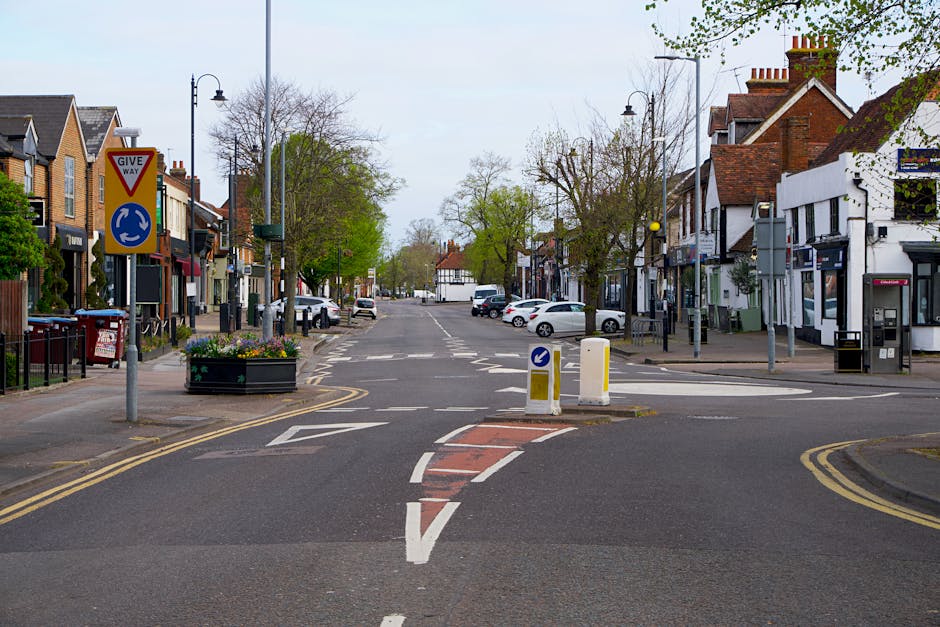
Enfield Town removals guide for Southbury Road moves

If you are planning a move around Enfield Town and Southbury Road, the details matter more than people expect. A short street can still create long delays if parking is tight, stairs are narrow, or the timing clashes with school runs and commuter traffic. This Enfield Town removals guide for Southbury Road moves is designed to help you plan calmly, avoid the usual headaches, and choose the right moving approach for the size and shape of your move.
In practice, most problems come down to three things: access, preparation, and timing. Get those right and the whole day feels easier. Get them wrong and even a simple move can start to feel like a wrestling match with boxes, keys, and a van that cannot quite stop where you hoped. Let's make sure it stays on the easy side.
Why Enfield Town removals guide for Southbury Road moves Matters
Southbury Road sits in a part of Enfield where real-world moving conditions can vary quite a bit from property to property. One house may have a straightforward frontage and easy loading space, while the next has awkward turning, limited waiting room, or a shared access path that only looks generous until a sofa has to go through it. That is why a local removals guide is genuinely useful. It is not just about the postcode. It is about the little moving details that decide whether your day feels organised or chaotic.
Moves in Enfield Town often involve a mix of homes, flats, and small businesses, so your plan should match the setting. A family moving out of a terraced house will have different needs from someone relocating from a first-floor flat or shifting office equipment across town. If you are trying to compare service types, it helps to think in terms of load size, access conditions, and how much packing support you really want. For broader residential planning, the home moves service is a useful reference point, while more complex household relocations may be better suited to house removalists.
There is also the local traffic factor. Southbury Road can feel perfectly fine at one time of day and then suddenly become slower than expected. School drop-offs, delivery vehicles, and parked cars all shape how smoothly a van can stop, load, and move on. That is why timing matters so much. A move scheduled with a bit of breathing room tends to go better than one squeezed into a narrow window. Truth be told, many "moving problems" are really timing problems in disguise.
Expert summary: The smartest Southbury Road move is rarely the fastest one on paper. It is the one that is planned around access, load size, packing readiness, and realistic timing.
Table of Contents
- Why Enfield Town removals guide for Southbury Road moves Matters
- How Enfield Town removals guide for Southbury Road moves Works
- Key Benefits and Practical Advantages
- Who This Is For and When It Makes Sense
- Step-by-Step Guidance
- Expert Tips for Better Results
- Common Mistakes to Avoid
- Tools, Resources and Recommendations
- Law, Compliance, Standards, or Best Practice
- Options, Methods, or Comparison Table
- Case Study or Real-World Example
- Practical Checklist
- Conclusion
- Frequently Asked Questions
How Enfield Town removals guide for Southbury Road moves Works
A good move is usually built in stages. First, you assess what is being moved. Then you decide what level of help you need. After that, you handle packing, access, loading, transport, and unloading in a way that keeps the property safe and the day moving forward. That sounds basic, but it is the difference between an organised relocation and a stressful scramble with half-open boxes everywhere.
For smaller loads, a flexible van-based solution can be ideal. For larger household moves, more furniture, or multiple drop-offs, a larger vehicle or a fuller removals setup may be the better fit. If you are weighing up vehicle size and service style, the company's man and van and man with van options are the kind of services people often use for Southbury Road jobs that do not need a full-scale lorry. For bigger or heavier moves, the moving truck and removal truck hire pages give a clearer sense of a more substantial transport approach.
In real terms, the workflow often looks like this:
- Request a quote and describe the property, access, and item list clearly.
- Decide whether packing help is needed, especially for breakables or busy households.
- Separate items that must be moved, disposed of, recycled, or stored elsewhere.
- Prepare the route, parking, and entrance points before moving day.
- Load heavier items first and protect furniture properly.
- Unload in the new property with a room-by-room plan.
If you prefer to hand over the packing side, take a look at packing and unpacking services. That is especially useful when you are juggling work, children, or a completion deadline and simply do not have the energy to wrap every mug by yourself. And let's be honest, no one ever enjoys packing cutlery at 10:40 p.m.
Key Benefits and Practical Advantages
The biggest benefit of planning a Southbury Road move properly is control. You know what is happening, when it is happening, and what could go wrong before it actually does go wrong. That sounds simple, but a lot of moving stress comes from uncertainty. Once you reduce the unknowns, the whole process becomes much easier to manage.
There are also some very practical advantages:
- Less wasted time because items are packed and grouped properly.
- Reduced risk of damage to furniture, walls, doors, and stairwells.
- Better vehicle choice so you do not pay for more capacity than you need.
- Cleaner loading and unloading with fewer last-minute decisions.
- Lower physical strain because heavy lifting is planned, not improvised.
For businesses moving near Southbury Road, the benefits are even more obvious. Downtime costs money. Staff do not want to hunt for missing cables while clients are waiting. A thoughtful commercial move keeps operations steadier and reduces the number of tiny interruptions that pile up into a bigger headache. If that sounds familiar, the commercial moves and office relocation services pages are useful reference points for planning work-related relocations.
There is another quieter benefit too: peace of mind. You sleep better the night before when you know the boxes are labelled, the van is booked, and the awkward wardrobe is not being moved "somehow" at the last second. That counts for a lot.
Who This Is For and When It Makes Sense
This guide is useful for a wide range of people. If you are moving from a flat above a shop, a terraced home, a family property, or a small office near Southbury Road, the planning principles are broadly the same. What changes is the scale of the job and the level of support you need.
It makes sense to use a guide like this if you are:
- moving within Enfield Town or nearby streets and want a smoother day;
- unsure whether a small van or larger truck is the better fit;
- trying to budget carefully and avoid unnecessary add-ons;
- dealing with a deadline, such as a tenancy handover or completion day;
- moving bulky furniture, appliances, or mixed household contents;
- balancing work, family, and the move at the same time.
It also helps people who are not moving everything. Some customers only need a single item collected, while others are clearing a property in stages. In those situations, a local collection service can be a useful companion to the move itself. For example, furniture pick-up is relevant when you want to remove one or two large pieces before moving day rather than dragging everything through the same doorway at once.
If you are replacing items rather than moving them, disposal planning becomes part of the process too. Old mattresses, sofas, appliances, and other awkward pieces should be dealt with sensibly, not left sitting in the corner of the hallway for three weeks because nobody wanted to think about them. It happens a lot.
Step-by-Step Guidance
Here is the cleanest way to approach a Southbury Road move without making it harder than it needs to be.
1. Start with the property layout
Walk through every room and ask a simple question: what actually needs to leave the property? Measure awkward furniture if it looks tight on the stairs or around the landing. This is where people often underestimate the move. A sofa that seems fine in the lounge can become a stubborn beast at the front door.
2. Check access before you book
Access matters just as much as volume. Is there space for a van to stop? Will parking be straightforward? Are there steps, tight corners, or long carries from the kerb? Even small access issues can add real time to the job. If you suspect the move will involve heavier loads or longer carrying distances, compare vehicle and loading options early through the moving truck and removal truck hire services.
3. Sort packing by priority
Pack non-essential items first. Keep daily essentials separate. Use strong boxes for books, kitchenware, and small household goods, and do not overfill them. A box that feels heroic at first can become annoying by the time you reach the stairs. Label everything by room and, if possible, by priority: open first, useful later, or storage.
4. Decide what does not need to move
Moving day is much easier when you remove clutter in advance. Old sofas, broken appliances, and unwanted extras only slow you down. If you have items that should be recycled or disposed of responsibly, the pages on mattress and sofa disposal, fridge and appliance removal, and recycling and sustainability are helpful companions to the moving process.
5. Match the service to the job
Not every move needs the same setup. Some jobs suit a flexible crew and van, while others need a larger vehicle and more hands. If you are moving a modest load and want simplicity, man with van can be a practical fit. If you have a fuller property, heavier furniture, or multiple rooms to shift, a more robust removals arrangement may work better.
6. Prepare the new property
Check whether keys are ready, rooms are clear, and parking at the destination is manageable. The less you have to improvise on arrival, the calmer the whole day feels. It sounds obvious, but people often forget this part because they are so focused on the old place.
7. Unload with a room-by-room plan
When you arrive, place boxes and furniture in the correct rooms immediately. Do not pile everything in the hallway unless you enjoy trip hazards and mild chaos. A quick unload with a clear order saves time later, especially if the move stretches into the evening and everyone is tired.
Expert Tips for Better Results
After enough moves, you notice patterns. The smooth ones are rarely the ones with the fanciest packing materials. They are the ones where someone thought ahead by a day or two.
- Book early if your date is fixed. The popular slots go first, especially around month-end and weekends.
- Keep a "move night" bag. Put kettle items, chargers, toilet paper, medication, and basic toiletries in one place.
- Use one box for immediate essentials. That way you are not hunting for a saucepan at 8 a.m. on day one.
- Protect hallways and furniture. Blankets, wraps, and sensible lifting technique save arguments and chips in the paintwork.
- Tell the mover about awkward items in advance. Fridges, wardrobes, mirrors, and unusually heavy bookcases are best discussed early.
One small but useful trick: tape a note to the front door listing the last items leaving the property. It sounds a bit old-school, but it works. People remember what is visible.
If security, paperwork, or trust are top of mind, it can also help to review the company's insurance and safety information and its payment and security page before confirming anything. That kind of reassurance is boring in the best possible way.
Common Mistakes to Avoid
A lot of moving stress is self-inflicted, to be fair. Usually not deliberately. Just a few overlooked details that snowball.
- Underestimating the access. A short street can still be awkward if parking is limited.
- Leaving packing too late. Last-minute packing leads to breakages and forgotten items.
- Booking the wrong vehicle size. Too small creates extra trips; too large can be unnecessary cost.
- Failing to clear unwanted items first. Clutter makes the whole job slower.
- Not labelling boxes. That one is classic. You end up opening six boxes to find a phone charger.
- Forgetting about restricted items. Some items need special handling or separate disposal, especially hazardous materials.
Another common issue is assuming every move can be done in one fixed way. It cannot. A first-floor flat move with a tight stairwell is not the same as a ground-floor house load-out. Nor should it be treated like one. If your move is likely to include mixed contents or a few difficult items, it is worth checking specialist help rather than hoping the problem will solve itself during loading. Spoiler: it usually doesn't.
Tools, Resources and Recommendations
You do not need fancy equipment, but a few basics make life noticeably easier.
- Strong boxes for books, kitchen items, and everyday belongings.
- Packing tape and marker pens for clear labelling.
- Furniture covers or blankets for protecting clean finishes.
- Straps or ties for securing loose items during transit.
- Basic toolkit for dismantling beds, tables, or shelving where needed.
- Reusable bags or crates for quick grab items and smaller loose contents.
For readers who want to compare support levels, the most useful pages tend to be the ones that explain service scope clearly. The pricing and quotes page can help you think through budget planning, while packing and unpacking services is useful if you want to reduce the workload rather than simply shift it around.
If your move includes items you no longer want, it is worth checking whether they should be sold, donated, recycled, or collected for disposal. That is especially true for bulky furniture and mixed household waste. A bit of sorting before moving day can save a lot of back-and-forth later.
Law, Compliance, Standards, or Best Practice
For most home moves, the main compliance concerns are practical rather than dramatic. You want the move to be handled safely, responsibly, and in line with normal UK expectations for transport, lifting, and waste handling. If the move involves commercial premises, confidential materials, electrical items, or waste, the standards become more relevant.
Good practice usually includes:
- safe lifting and carrying to avoid injury;
- clear communication about access, timing, and loading;
- careful handling of fragile or high-value items;
- responsible disposal of unwanted items through appropriate channels;
- respect for privacy when moving documents or business equipment;
- clear terms around payment, scope, and service expectations.
Where hazardous or specialist items are involved, do not guess. Ask first. Items such as chemicals, paints, pressurised containers, or other problematic materials may need separate arrangements. If a move includes awkward waste, the pages on hazardous waste disposal and what can go in a skip are useful references for understanding what should be separated out rather than bundled into the move.
If you are moving business records or sensitive paperwork, confidential shredding is another sensible service to have in mind. It is one of those small details that prevents future mess. Or future regret, which is worse.
Options, Methods, or Comparison Table
If you are unsure which service style fits your Southbury Road move, compare the main options side by side. The best choice usually depends on load size, access, and how much help you want on the day.
| Option | Best for | Typical strengths | Watch-outs |
|---|---|---|---|
| Man and van | Smaller moves, single rooms, a few bulky items | Flexible, straightforward, often efficient for local jobs | May not suit larger household loads |
| Man with van | Simple local relocations and light removals | Practical for short-distance moves and quick turnarounds | Less suitable if you need larger capacity |
| Moving truck | Heavier loads, larger homes, more furniture | More capacity, fewer trips, better for substantial moves | Needs more careful access planning |
| Removal truck hire | Moves with a defined transport need and organised loading | Good for bigger, structured relocations | Works best when packing is already well advanced |
| Packing and unpacking support | Busy households, time-sensitive moves, fragile contents | Reduces stress and protects items better | Adds cost, so it should be used where it genuinely helps |
A sensible rule of thumb: if you are moving a few rooms, a van-based service may be enough. If you are moving a full household or several large items that cannot be squeezed in neatly, a larger vehicle and a more structured approach are usually the safer bet. Simple, really. Well, simple once you stop pretending the move will somehow pack itself.
Case Study or Real-World Example
Imagine a couple moving from a flat near Southbury Road into a nearby house in Enfield Town. They have a sofa, a bed frame, a wardrobe, boxed kitchen items, and a few awkward extras that have been sitting in a spare room for months. At first, they think it is "just a small move." Then they walk through the flat properly and realise there are five more boxes than expected, a heavy chest of drawers, and a narrow landing that makes turning furniture a bit fiddly.
Instead of rushing, they split the job into stages. They dispose of an old mattress before moving day, use packing support for breakables, label boxes by room, and arrange for a van that matches the load rather than guessing. On the day itself, the move is still busy, but it is orderly. The front door stays clear. The stairs do not become a bottleneck. The new house starts to feel liveable before lunchtime.
That is the point of this guide. Not perfection. Just fewer surprises.
In a different scenario, a small office on Southbury Road needs desks, monitors, files, and storage units relocated outside working hours. Here, the priorities shift a little: speed, discretion, and keeping equipment organised. A business move like that is usually better planned alongside office relocation services and, where relevant, commercial moves. The move is smoother when the team knows which items are leaving, which are staying, and what should be shredded or recycled first.
Practical Checklist
Use this checklist in the week before your move. It will save you from the usual last-minute panic.
- Confirm moving date, arrival time, and access details.
- Check parking space and loading access at both addresses.
- Decide which service level fits the load.
- Pack non-essential items first.
- Label every box with room and priority.
- Set aside valuables, documents, and essentials to travel separately.
- Remove unwanted furniture or appliances before moving day.
- Protect fragile items with proper wrapping.
- Disassemble furniture where needed.
- Prepare keys, codes, and contact numbers.
- Keep snacks, water, chargers, and basic toiletries accessible.
- Walk the property once more before the van leaves. Yes, once more.
It also helps to review the company background and policies if you want extra reassurance before booking. The about us page gives a broader sense of the business, while health and safety policy and insurance and safety are useful if you care about how items are handled, not just whether they get there.
Conclusion
A successful move around Southbury Road is usually the result of steady planning, not luck. When you match the vehicle to the load, clear access issues early, pack sensibly, and keep your day organised, the whole process becomes far less stressful. That is especially true in Enfield Town, where access and timing can change the feel of a move more than people expect.
The main thing to remember is this: treat your move like a small project, not a scramble. A few thoughtful decisions now can save you hours later. And if the route, the furniture, or the timing looks awkward, that is not a problem. It just means the plan needs to be a bit smarter.
Get a free quote today and see how much you can save.
When you are ready to move, choose the approach that feels calm, practical, and properly matched to your home or business. A good move leaves you tired, yes, but also oddly relieved. That is the sweet spot.
Frequently Asked Questions
What is the best removals option for a Southbury Road move?
It depends on what you are moving. Smaller loads often suit a man and van or man with van setup, while larger household moves usually need a bigger vehicle or a fuller removals arrangement.
How far in advance should I book a move in Enfield Town?
As early as you can if your date is fixed. Weekends, month-end dates, and school holiday periods tend to be busier, so booking early gives you more choice and less stress.
Do I need packing help for a local move?
Not always, but it can make a big difference if you are short on time, have fragile items, or are moving with children or work commitments. Packing support is often worth it when the move feels crowded already.
How do I know if I need a moving truck instead of a van?
If you are moving large furniture, several rooms of contents, or items that would require multiple van trips, a moving truck is usually the better fit. A small load rarely needs that level of capacity.
What should I do with unwanted furniture before moving day?
Remove it early where possible. If the items are still usable, a furniture pick-up service may help. If they are broken or unsuitable for the new property, look at disposal or recycling options instead.
Can I move appliances like fridges and washing machines?
Yes, but they need to be handled carefully and may need preparation before transport. If an appliance is being removed rather than moved, a dedicated fridge and appliance removal service is often the cleaner solution.
What if parking is difficult on Southbury Road?
Tell the mover in advance. Parking and loading access can affect the whole schedule, so it is better to flag it early than try to sort it on the day while boxes are already on the pavement.
Are there items that should not go on the van?
Yes. Hazardous materials and some specialist waste items should be handled separately. If you are unsure about something, ask before moving day rather than guessing and risking a problem.
How can I keep moving costs under control?
Be clear about the load, clear out unwanted items, pack what you can yourself, and choose the right vehicle size. Surprises are what usually drive costs up, not the move itself.
Is a local move still worth planning carefully if it is only a short distance?
Absolutely. Short moves can still go sideways if access is awkward or the packing is messy. In some ways, local moves are even trickier because people assume they will be easy and then stop planning properly.
Do I need extra help for office moves near Southbury Road?
If the move includes desks, IT equipment, storage, or confidential paperwork, yes, extra help often makes sense. Office moves benefit from structure because every lost cable or missing folder slows the team down later.
What is the simplest first step if I am overwhelmed?
Start with a room-by-room list. Then separate what is moving, what is being discarded, and what needs special handling. Once that is done, the rest feels much less intimidating.