Narrow street access issues for Enfield man with van: a practical guide for moving in tight Enfield streets
If you have ever tried to move a sofa, fridge, or three heavy boxes down a narrow road in Enfield, you already know the feeling: the van looks just a little too big, the parking is tight, and one badly placed car can throw the whole plan off. Narrow street access issues for Enfield man with van jobs are common enough to be normal, but that does not make them easy. In fact, the difference between a smooth move and a stressful one often comes down to planning, vehicle choice, timing, and a few small decisions that people only think about once they are standing on the pavement, muttering under their breath.
This guide breaks down what narrow access really means, why it matters, how a man and van service can handle it, and what you can do to avoid delays, damage, or extra hassle. Whether you are moving from a flat off a side street, collecting furniture from a terrace house, or arranging a local delivery where the road feels barely two cars wide, you will find practical advice here. And yes, some of it is simple. Simple is good. Simple saves time.
- Why narrow street access matters
- How access is handled on moving day
- Key benefits of planning narrow access properly
- Who this is for
- Step-by-step guidance
- Expert tips for better results
- Common mistakes to avoid
- Tools, resources and recommendations
- Law, compliance and best practice
- Options and comparison
- Real-world example
- Practical checklist
- Frequently asked questions
Why Narrow street access issues for Enfield man with van Matters
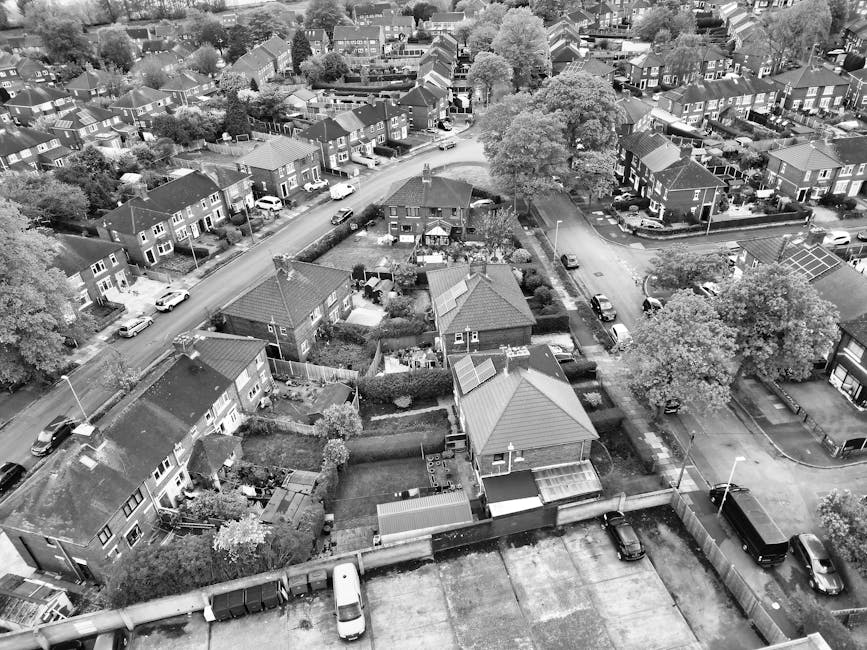
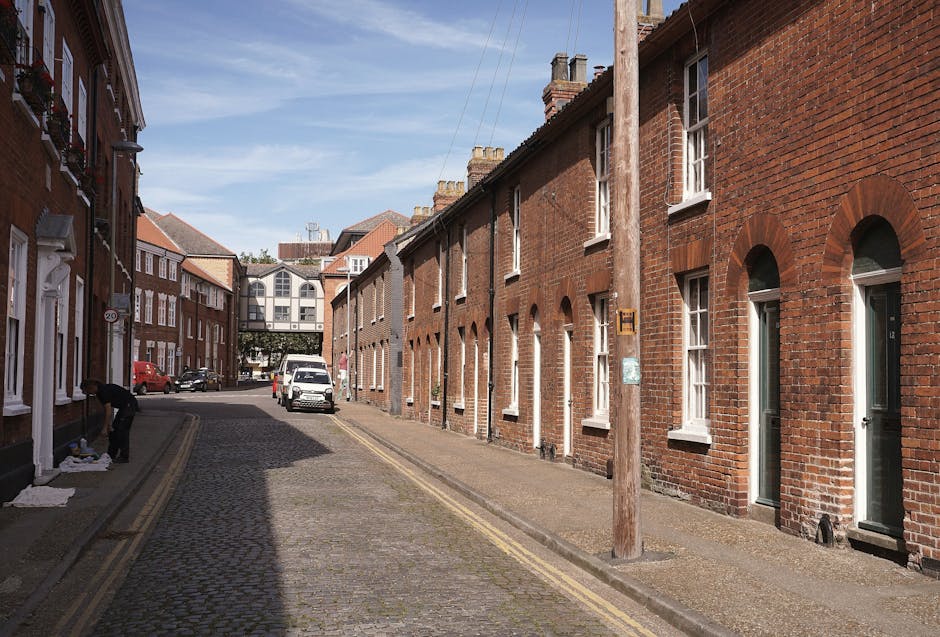
Narrow streets are not just a nuisance. They affect whether the van can stop close enough to the property, whether loading can happen safely, and how long the job will take. In Enfield, that matters because residential streets often mix terraced homes, parked cars, busier through-roads, and awkward corners. A job that should feel straightforward can become a puzzle if nobody has thought through access.
For a man with van service, access issues touch almost every part of the move. The driver may need to park further away, walk items around parked vehicles, or make several shorter trips rather than one big load. That can be perfectly manageable, but only if the customer and the driver are on the same page. Truth be told, most problems come from assumptions. Someone assumes the van will park right outside. Someone else assumes the street is "fine for a van" because a smaller car fits. Then the clock starts ticking.
It also matters for safety. Tight turns, blind corners, delivery bays, double parking, and pedestrians all raise the risk of knocks, scrapes, and strained backs. A sensible plan reduces those risks before anyone starts lifting.
Expert summary: Narrow access is not just about "can the van get in?" It is about whether the whole move can be done safely, legally, and without burning time on preventable delays.
How Narrow street access issues for Enfield man with van Works
Handling narrow access is a mix of planning and judgement. A good driver does not simply turn up and hope for the best. They assess the road, the parking options, the distance from the vehicle to the property, and the kind of items being moved. That is where local knowledge really helps. A side street in Enfield Town is not the same as a wider road near a retail parade, and a quiet lane can become awkward once school pick-up starts.
In practical terms, narrow access work usually follows a few stages:
- Pre-check the route and the street - looking at road width, turn angles, parking restrictions, and nearby obstacles.
- Choose a suitable vehicle - sometimes a smaller van is better than a larger one, even if that means one extra trip.
- Plan the loading point - deciding where the van can safely stop without blocking driveways, junctions, or traffic flow.
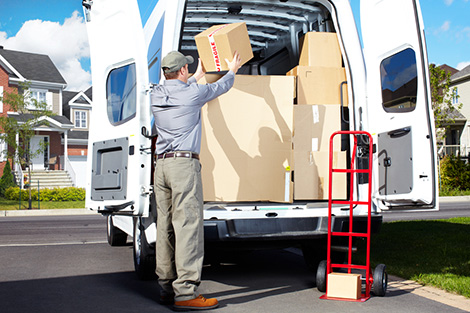
- Protect the items and the property - using blankets, straps, trolleys, and careful lifting where needed.
- Adjust on arrival - because let's face it, real streets rarely match the neat plan in your head.
That last point matters. Access planning is not about rigidity. It is about being ready to adapt. A neighbour's car may be in the way. A delivery lorry may be reversing nearby. A drop kerb may not leave as much room as expected. In those moments, the best crews stay calm and make the move work without drama.
If you are weighing up different types of moving support, it can help to compare related services too. For example, a local man and van service is often better suited to awkward access than a larger truck-based option, while a full home moves approach may suit bigger, more coordinated removals. The right fit depends on the street as much as the load.
Key Benefits and Practical Advantages
Getting narrow street access right gives you more than convenience. It affects cost, speed, and how stressful the day feels. A move in a tight Enfield street can still be smooth if the logistics are sensible from the start.
- Less walking distance for heavy items - every extra metre matters with wardrobes, appliances, and boxed books.
- Lower risk of damage - to your furniture, the van, nearby cars, and the building entrance.
- Better time control - fewer unexpected delays means a cleaner schedule.
- More suitable vehicle choice - a smaller van may be the smarter option, even if it looks less impressive.
- Reduced neighbour friction - nobody enjoys a van blocking the road at school run time.
- Safer handling - shorter carries and better positioning reduce slips and strain.
There is also a quieter benefit: peace of mind. When the access plan is sensible, you can focus on the move itself instead of worrying about whether the van will wedge into a corner or whether the driver will need to circle the block three times. That calm is worth something. You feel it immediately.
For customers with fragile or awkward items, narrow access planning becomes even more valuable. A careful route and shorter carry can make all the difference when moving appliances or bulky furniture. If you are dealing with a mixed load, services such as fridge and appliance removal or furniture pick-up may be more practical than a one-size-fits-all approach.
Who This Is For and When It Makes Sense
Narrow street access support is useful for anyone moving in or around Enfield where the road layout is tight, parking is awkward, or the property frontage is hard to reach. That covers a lot of people, more than you might expect.
- Flat movers on terraced roads or side streets with limited stopping space
- Homeowners who need a practical local move without a full-size removal lorry
- Students and tenants with a few bulky items and a tight budget
- Small businesses handling office equipment, stock, or archive boxes
- Landlords and letting agents arranging quick collections or clearances
- Anyone with awkward items such as sofas, mattresses, appliances, or heavy shelving
It also makes sense when you simply do not want the stress of trying to manage parking and lifting on your own. That sounds obvious, but people still try to "just get a mate and a van sorted" and then discover the street is far less forgiving than expected. A bit of planning would have spared them the scramble.
For commercial jobs, narrow streets can be even trickier because timing matters and access windows are often tighter. If you are moving stock, files, or equipment, a service like commercial moves or office relocation services may be better aligned with the need for coordination and careful scheduling.
Step-by-Step Guidance
Here is a simple way to handle narrow street access issues without overcomplicating the whole thing.
1. Check the street before moving day
Look at the road, the kerb space, and the nearest turning points. If you can visit the street in person, do it. If not, use whatever information you have available and think realistically. Will a van be able to pause safely? Is there a bend with parked cars? Is the entrance tight, or is there a clear loading spot nearby?
2. Be honest about what needs moving
People often understate the load. "Just a few things" can turn out to be a double bed, two bookcases, a desk, a lamp, five bags, and a plant that somehow weighs more than expected. Be specific. The more detail you give, the better the planning.
3. Choose the right vehicle size
For very narrow streets, smaller can be better. A large van may reduce trips, but if it cannot park properly, you lose the benefit. A medium van or smaller man and van setup often strikes the right balance.
4. Plan the loading method
Think about whether items need trolleys, straps, blankets, or two people to carry them safely. Long carries over uneven pavement are slower and more tiring, so good handling equipment helps a lot.
5. Time the job wisely
Early morning or quieter periods often work better in busy residential areas. School-run time, bin day, and peak traffic can all make narrow access more awkward than it first appears. A 15-minute delay can be normal. Half an hour, less so.
6. Confirm the exact handover point
Do not leave this vague. Agree where the van will stop, where items will be loaded from, and what should happen if access changes on the day. This avoids that lovely little moment of nobody quite being sure who is waiting where. Not ideal.
7. Build in a small buffer
If the move has to happen in a tight street, add a bit of time to the plan. Not a huge amount. Just enough to absorb the unexpected. That extra breathing room tends to keep everyone calmer.
If you want a fuller moving checklist, packing support can also help reduce door-to-van delays. Services like packing and unpacking services can save time when you are trying to manage a difficult street and a full household at the same time.
Expert Tips for Better Results
In our experience, narrow access work goes better when people stop trying to "win" the street and start trying to work with it. Streets do not care about your timetable. Harsh, but true.
- Use the smallest sensible van rather than the biggest available one.
- Keep bulky items nearest the exit point so loading is faster once access opens up.
- Protect doorframes and corners on narrow stairways and tight entrances.
- Use split loads where needed rather than risking overfilling the van.
- Ask about insurance and handling practices before the move starts.
- Allow for local parking quirks because Enfield streets can vary from one block to the next.
A small practical tip: if the street is especially tight, keep walkways clear at the property entrance before the van arrives. One stack of shoes, a bin, and a rolled-up rug can turn a narrow path into a frustrating bottleneck. It sounds minor. It is not.
Another useful habit is to keep communication quick and direct. A text confirming the van registration, expected arrival time, and meeting point can save five minutes of confusion, which is often the difference between a steady handover and a rushed start.
If you are moving something valuable or sensitive, it is worth checking the provider's approach to coverage and handling. A page like insurance and safety can help set expectations around careful transport, while payment and security is useful when you want clarity on the admin side too.
Common Mistakes to Avoid
Narrow access jobs usually go wrong in predictable ways. The good news is that most of them are avoidable.
- Assuming the van will park directly outside without checking road width or restrictions
- Underestimating the load and discovering extra items at the last minute
- Booking the wrong vehicle size for a tight residential street
- Ignoring time-of-day issues such as school traffic or commuter parking
- Leaving items unprepared so loading takes much longer than expected
- Not mentioning stairs, steps, or steep pavements which all change handling plans
- Forgetting about neighbours and access shared spaces like communal entrances or driveways
One of the sneakiest mistakes is to treat access as someone else's problem. It is not. Well, not entirely. The driver can do a lot, but the more accurate information you provide, the better the job goes. That is just the truth of it.
There is also a common budget mistake: choosing the cheapest option without asking how narrow access will be handled. A low quote can become expensive if the job takes much longer or needs repeated trips. If you are comparing prices, look closely at what is included. A clear guide like pricing and quotes is worth reading before you commit.
Tools, Resources and Recommendations
You do not need a shed full of specialist gear to handle narrow street access well, but a few tools and habits make a very real difference.
| Tool or resource | Why it helps | Best use case |
|---|---|---|
| Furniture blankets | Protects items and walls from scrapes | Large, awkward, or delicate furniture |
| Removal straps | Makes lifting and securing safer | Heavy boxes, appliances, and bulky items |
| Two-wheeled trolley | Reduces strain over short carries | Boxes, white goods, and flat surfaces |
| Clear route notes | Helps avoid delays and confusion | Tight streets, flats, and shared entrances |
| Measured item list | Improves vehicle choice and timing | Any move where space is limited |
Useful supporting services can also take pressure off the move. If old furniture needs to go, mattress and sofa disposal can be a practical add-on. For clearouts involving mixed waste, hazardous waste disposal should only be used where items are suitable and handled correctly, while recycling and sustainability may appeal if you want a more responsible approach to unwanted goods.
For business users, sensitive documents deserve separate treatment. In a cramped street or a busy office move, it is often sensible to separate paperwork early and use confidential shredding rather than letting old files sit in the corner until the last minute. Small detail, big relief.
Law, Compliance, Standards, or Best Practice
With narrow street access, compliance is mostly about safe, considerate working rather than dramatic legal complexity. Still, the basics matter.
Drivers and movers should work in line with road safety expectations, local parking restrictions, and safe manual handling practice. That means not blocking junctions, not creating hazards for pedestrians, and not lifting in a way that creates avoidable injury risk. If a road is too tight for safe stopping, a different loading point or a smaller vehicle may be the better answer. Not every job can be forced into one neat shape.
There is also the practical side of insurance and liability. If furniture is being moved close to walls, railings, or parked cars, care becomes especially important. Customers should ask how items are protected and what happens if access is restricted or the route changes on the day. That is not being awkward. It is being sensible.
For some jobs, best practice means checking whether the move needs extra time, special handling, or advance notice to neighbours or building managers. If the property sits on a shared access road, or if there is a narrow entrance to a block of flats, that small bit of communication can prevent a lot of friction later.
It is also worth reading policies that explain how a provider handles service quality, complaints, and safety. Pages such as health and safety policy, complaints procedure, and terms and conditions help set expectations before anything is loaded.
Options, Methods, or Comparison Table
Not every narrow street job needs the same approach. The best option depends on the items, the access, and how much time you have.
| Approach | Best for | Pros | Trade-offs |
|---|---|---|---|
| Small man and van | Very tight streets, smaller loads | Easier parking, faster access, less street disruption | May need more than one trip |
| Medium van | Moderate loads with workable access | Good balance of capacity and manoeuvrability | Still needs careful parking planning |
| Larger removal vehicle | Bigger household or business moves | More capacity, fewer journeys | Harder to handle on narrow roads |
| Split-load approach | A mix of awkward access and bulky items | Flexible, practical, less pressure on one vehicle | May take more scheduling |
In many Enfield streets, the split-load or smaller-van approach is the one that feels most realistic. It is not about looking clever. It is about reducing friction. A van that fits properly is better than a bigger one that becomes a nuisance the moment it arrives.
If you are moving into a property with limited frontage, you may also want to think about whether the move should be broken into stages. For example, light boxes first, furniture second, then awkward items like appliances. That kind of sequencing often makes a narrow street move feel far more manageable.
Case Study or Real-World Example
Here is a realistic example from the kind of job people ask for all the time. A customer is moving out of a top-floor flat on a terraced road in Enfield. The street is narrow, parking is already half gone by late morning, and the only obvious space sits just beyond a bend. The customer has a bed frame, a mattress, a desk, several boxes, and a fridge-freezer.
If the team turns up assuming they can park at the door, they are already behind. Instead, they check the street first, park where it is safe, and make a slightly longer carry. The fridge is moved with straps and a trolley. The mattress is wrapped. The desk is protected at the corners. Because the driver has allowed a little extra time, nobody is panicking when a neighbour briefly blocks part of the road while unloading shopping. Annoying? Yes. Catastrophic? No.
The important point is that the move succeeds because the access challenge was treated as part of the job, not a surprise. There is something reassuring about that. The day does not have to be perfect to be successful. It just needs a decent plan and a bit of flexibility.
A similar approach can help with local collections too. If you are clearing a property or collecting a single bulky item, a more focused service such as man with van can be the simplest answer when the street is too tight for anything larger.
Practical Checklist
Use this checklist before the van arrives. A few minutes spent here can save a lot of hassle later.
- Confirm the exact address and any tricky access notes
- Check whether the street is narrow, one-way, or frequently congested
- Tell the mover about stairs, steps, shared entrances, or long carries
- List all large items clearly, including appliances and furniture
- Decide where the van is most likely to stop safely
- Remove obstacles from hallways, porches, and front paths
- Keep parking permits or local instructions ready if relevant
- Protect fragile items with wrapping or boxes before collection
- Allow extra time for tight streets and unpredictable parking
- Keep your phone on and available for quick updates
If you tick those off, you are already ahead of most people. Honestly, most narrow access problems are not dramatic; they are just poorly planned. The good news is that poor planning can be fixed. Usually before the van arrives.
For booking and scheduling, it can help to use a straightforward online process and keep everything in one place. If you are ready to arrange a job, you can use book online or make contact through contact us. If you want to understand the company background first, about us gives a useful starting point.
Conclusion
Narrow street access issues for Enfield man with van jobs are common, but they do not have to be stressful. Once you understand the access, choose the right vehicle, communicate clearly, and allow for the realities of tight local roads, the whole move becomes much more manageable. That is the real trick. Not forcing the street to behave, just planning well enough that it does not get a chance to ruin your day.
Whether you are moving a few bulky items, clearing a flat, or organising a small business relocation, the smartest approach is the one that matches the road as well as the load. Keep the plan simple, keep the communication clear, and give yourself a little breathing room. It makes a difference.
Get a free quote today and see how much you can save.
And if the street still looks awkward when you stand outside with your keys in hand, that is fine too. A careful move in a narrow road is still a good move.
Frequently Asked Questions
Can a man with van service handle very narrow streets in Enfield?
Yes, usually. The key is choosing the right vehicle and planning where it can stop safely. In many cases, a smaller van or a short carry from a nearby parking spot is enough to make the job work.
What should I tell the mover about my street before booking?
Tell them if the road is narrow, one-way, restricted, or difficult to park in. Mention stairs, shared entrances, bollards, steep kerbs, and any large items that might need extra care.
Is a smaller van always better for narrow access?
Not always, but often. A smaller van is easier to park and manoeuvre, though it may mean more trips. The best choice depends on the size of the load and how tight the access really is.
How do I know if my street is too tight for a van?
If larger vehicles already struggle to pass, parked cars leave little room to stop, or turning is awkward, the street may be difficult for a van. A quick look at the route and loading point usually tells you a lot.
Will narrow access make my move more expensive?
It can, depending on the extra time, distance from van to property, or number of trips needed. Some jobs stay very reasonable; others need a bit more labour and planning. It is best to ask for a clear quote upfront.
Do I need to reserve parking for a man and van in Enfield?
Sometimes, but not always. If parking is usually difficult on your street, it may be worth planning ahead or making sure the mover knows what to expect. The exact need depends on your location and local restrictions.
What items are hardest to move down a narrow street?
Large sofas, fridge-freezers, wardrobes, mattresses, and heavy desks are usually the trickiest. They need more space, more control, and often more than one person to move safely.
How early should I mention access problems when booking?
As early as possible. Good planning starts before the van is booked, not after it is already on the way. The more detail you give, the better the provider can match the vehicle and timing to your street.
Can I still move if the van cannot park directly outside?
Yes, usually. The team may park a short distance away and carry items from there. It is less convenient, but with sensible planning it is often perfectly workable.
What is the biggest mistake people make with narrow access moves?
Assuming access will be straightforward. That one assumption causes a lot of stress. A few honest details at the start can save time, money, and a lot of walking back and forth.
Are narrow street jobs suitable for office or commercial moves too?
Yes, as long as the move is planned carefully. Office furniture, boxes, and equipment can all be handled in tight streets, but business moves often benefit from tighter scheduling and better coordination.
Where can I find more information about the service before booking?
You can review the company pages for service details, policies, and booking information, then decide what fits your move best. If you are unsure, a quick conversation usually clears things up fast.