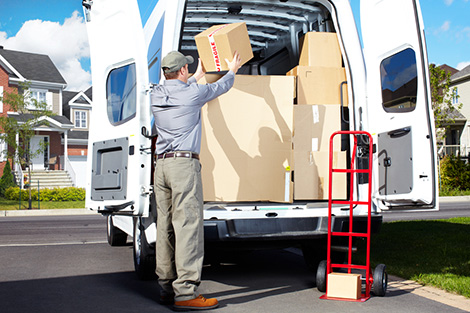
Ponders End man with van tips for flats on Meridian Way
If you are moving in or out of a flat on Meridian Way, the job can look simple on paper and then turn surprisingly fiddly in real life. Lifts, tight parking, shared entrances, awkward corners, and the usual "where on earth do I put this sofa?" moment can all slow things down. That is exactly why Ponders End man with van tips for flats on Meridian Way matter: they help you plan a move that stays calm, efficient, and far less stressful than it first appears.
In this guide, you will get a practical, local-minded approach to apartment moving in Ponders End. We will cover how a man and van service typically works, what makes flat moves different, how to avoid the common headaches, and what to check before moving day. You will also find a checklist, a comparison table, and a real-world example so you can see how the advice comes together in practice.
Table of Contents
- Why this matters for Meridian Way flats
- How a man with van move works
- Key benefits and practical advantages
- Who this is for and when it makes sense
- Step-by-step guidance
- Expert tips for better results
- Common mistakes to avoid
- Tools, resources and recommendations
- Law, compliance, standards and best practice
- Options, methods and comparison table
- Case study or real-world example
- Practical checklist
- Conclusion
- Frequently Asked Questions
Why Ponders End man with van tips for flats on Meridian Way Matters
Flat moves are different from house moves. That sounds obvious, but people still underestimate it. A flat on Meridian Way may have a lift that is small but usable, a shared hallway that needs to stay clear, or parking that is fine at one time of day and awkward at another. Add bulky items, a few boxes that are heavier than they look, and a tired person trying to coordinate everything before work or after a long shift. It gets messy quickly.
A man with van service is often the most sensible option for this kind of move because it is flexible. You are not paying for a large removal crew when your load is modest, and you are not trying to squeeze an oversized vehicle into a tight access point. For flats, that flexibility matters more than people realise. Honestly, the difference between a smooth move and a frustrating one can be as small as the right parking plan.
Meridian Way also brings its own rhythm. In a busy residential stretch, timing matters. The later the move starts, the more likely you are to hit people coming and going, lift queues, or the classic "the van is here but the trolley is on the wrong side of the building" problem. Good planning is not a luxury here. It is the move.
If you are trying to decide whether to use a local man with van service or a larger removal option, the main question is not just volume. It is access, speed, and how much handling your belongings need once they are out of the flat.
How Ponders End man with van tips for flats on Meridian Way Works
At its simplest, a man and van move is a transport and loading service. A driver arrives with a suitable van, helps load your items, drives them to the new address, and unloads them where needed. Some moves are single-item jobs. Others cover a full studio flat or a one-bedroom property. The point is not size alone; it is matching the vehicle and support to the actual job.
For a flat move, the process usually starts with access planning. You need to know where the van can stop, whether there is a lift, if there are restrictions on the building entrance, and whether your items can pass through without damage. That may sound a bit fussy, but in moving terms it saves time, money, and the low-level panic that comes from discovering a wardrobe is too wide for a corridor at 4:30 pm.
Good operators will ask practical questions before the move: What floor are you on? Is there step-free access? Are there parking restrictions? Do you have large furniture or fragile items? Those questions are not nosy. They are the difference between a neat plan and a day of improvisation.
If you need extra hands or a bigger load capacity, it can also make sense to compare a standard van move with a moving truck or even removal truck hire. For many flats, though, the smaller and more nimble option wins out.
Key Benefits and Practical Advantages
A well-planned man with van move gives you a handful of very real benefits. Some are obvious, some only become obvious when you have done it once and thought, never again without a proper plan.
- Better access in tight spaces: Vans are generally easier to position near flats than large lorries.
- Less wasted capacity: You pay for the size of move you actually need.
- Faster handling for smaller loads: Ideal if you are moving a studio, one-bedroom flat, or a partial household.
- More flexible scheduling: Useful when you are fitting around lift bookings, landlord handovers, or work hours.
- Practical help with heavy items: Sofas, mattresses, white goods, and awkward boxes become much easier with support.
- Lower stress: A short, focused move is easier to manage than a sprawling one.
There is also a hidden benefit: clearer decision-making. Once you commit to a van-based move, you start packing more sensibly. You stop dragging every "just in case" item into the pile. To be fair, that alone can make the whole process feel lighter.
For anyone clearing out old furniture while moving, the right service can also help with disposal or onward handling. If that applies, furniture pick up may be useful, especially for pieces you do not want to take into the new flat.
Who This Is For and When It Makes Sense
This kind of move suits more people than you might think. It is not just for people with a few boxes and a bike. It can be a smart choice for renters, first-time buyers, students, landlords, and people downsizing after a long stay in one place.
It makes particular sense if:
- you live in a flat with limited parking access;
- your lift is small or unreliable;
- you are moving only part of your belongings;
- you have a few bulky items but not a whole house's worth;
- you need help at a specific time rather than an all-day removal;
- you are moving between nearby streets in Ponders End or broader Enfield.
It is also useful for people who want a lighter-touch service without feeling that they are paying for a giant operation they do not need. If your move is more than a couple of bags but less than a full family house, this is often the sweet spot.
That said, if your flat move includes a lot of furniture, dismantling, or heavy appliance handling, you may want to pair the move with packing and unpacking services or take a closer look at broader home moves support.
Step-by-Step Guidance
Here is the practical version. Not the glossy version. The one that helps you get through the day with your nerves intact.
1. Check access before you do anything else
Start with the building. Measure doorways if you suspect a sofa or wardrobe might be tight. Check whether the lift is available, whether there are booking slots, and whether the hallway is wide enough for larger items. If the flat is on an upper floor, work out whether you can safely carry things down stairs or if you need more help.
2. Make a realistic inventory
Walk through the flat and list everything that needs to go. Include furniture, boxes, loose items, and anything stored in cupboards or balconies. The more complete the list, the easier it is to choose the right van size and avoid a second trip. And yes, second trips happen. More often than people admit.
3. Separate items by priority
Keep essentials aside: documents, chargers, toiletries, kettle, a change of clothes, and anything you will want in the first night or two. These items should not vanish into the back of the van under a pile of bedding and random kitchen gear.
4. Pack for easy carrying
Use small to medium boxes for heavier items. Overfilled boxes become miserable very quickly. Label each box by room and note fragile contents where needed. Tape is cheap. Regret, less so.
5. Plan parking and arrival time
Think about the van's stopping point and whether you need permission, a visitor bay, or simply a sensible loading window. Moving earlier in the day can help avoid traffic build-up and building congestion. Even a 30-minute delay can make a difference if several residents are using the entrance at once.
6. Protect the flat and the items
Use blankets, covers, and careful stacking. Flat moves often involve awkward turns and narrow halls, so it is worth protecting corners, mirrors, and table legs. A chipped wall or scratched banister is the kind of thing that annoys everyone for weeks.
7. Unload with a room-by-room plan
At the new place, send each item to its destination immediately if you can. Do not create a mountain in the hallway. Hallways somehow become smaller the moment boxes arrive. Funny how that works.
Expert Tips for Better Results
Small decisions make a big difference on moving day. In our experience, the best flat moves are the ones that feel boring in the best possible way. Quiet, organised, no drama.
- Book the van around your lift access, not just your free time. If the lift is unavailable at the wrong moment, everything slows down.
- Keep one bag of essentials separate. You will want water, snacks, keys, medication, and a phone charger within easy reach.
- Use mattress bags and furniture covers where possible. This helps in damp weather and reduces scuffs in stairwells.
- Take photos of furniture before dismantling. It is a simple way to remember how pieces fit together.
- Tell neighbours if access may be briefly affected. A polite heads-up can prevent irritation later.
- Ask about insurance and handling standards. Reputable movers should be clear about care and responsibility. The insurance and safety information is worth reviewing before booking.
One more thing: if you have bulky items you do not want to move, decide early. Do not leave an old sofa until the final hour and then try to solve it with optimism and a prayer. That route rarely ends well.
Common Mistakes to Avoid
People usually do not get flat moves wrong because they are careless. They get them wrong because they are busy, tired, or trying to do too much at once. Fair enough. Still, the same mistakes show up time and again.
- Underestimating access issues: A flat that looks simple from the outside may be awkward once you measure the route.
- Packing too late: Last-minute packing usually means heavier boxes and forgotten essentials.
- Choosing the wrong vehicle size: Too small means extra trips; too large can be awkward in tight areas.
- Leaving disposal decisions until the end: Old mattresses, broken appliances, and worn-out sofas need a plan.
- Ignoring safety: Heavy lifting without proper technique can cause injuries or damage.
- Not confirming the details: Time, address, floor, access, and item list all need checking.
If you are disposing of worn-out soft furnishings, a dedicated mattress and sofa disposal service may be more sensible than trying to force everything into the move itself. The same goes for white goods and awkward kitchen appliances, where fridge and appliance removal can save time and trouble.
Tools, Resources and Recommendations
You do not need a giant toolkit for a flat move, but a few simple items will make life easier. Nothing fancy. Just the kind of things you wish you had grabbed before the first box hits the floor.
- Sturdy boxes: Use consistent sizes where possible so they stack properly.
- Packing tape and markers: Basic, but indispensable.
- Furniture blankets or wraps: Handy for protecting wood, glass, and painted surfaces.
- Trolley or sack truck: Particularly useful for heavier items or longer corridors.
- Zip bags for screws and fittings: Label them properly, or you will be hunting later.
- Bin bags for soft items and last-minute clutter: Useful for bedding, cushions, and lighter loose items.
If you are trying to budget properly, a clear pricing and quotes page is a helpful place to start, because it encourages you to think in terms of load size, timing, and additional services rather than guessing. For people planning a cleaner start in the new flat, recycling and sustainability may also be worth considering when sorting unwanted items.
And if the move is also a mini declutter, do not ignore what can go in a skip. Even if you are not using a skip, the guidance is useful for understanding what is recyclable, what needs special handling, and what should not be mixed in with ordinary waste.
Law, Compliance, Standards, or Best Practice
For a flat move, you usually do not need to become a legal expert. Still, there are a few practical standards and duties worth keeping in mind. In the UK, removals and waste handling should be managed safely and responsibly, and tenants or homeowners should not leave access routes blocked, create hazards in shared areas, or dispose of restricted waste carelessly.
Best practice matters just as much as formal rules. That means clear communication with the driver, honest descriptions of the load, sensible parking plans, and careful handling in communal areas. If you live in a block with shared corridors or lifts, keeping those routes clear is not just courteous; it reduces the risk of accidents and complaints.
When items are being transported or disposed of, ask yourself a simple question: is this something ordinary movers can carry, or does it need specialist handling? Hazardous products, sharp waste, or awkward heavy appliances should not be guessed at. If in doubt, separate them and ask before move day. The hazardous waste disposal page is a good reminder that some things need more care than a standard box-and-van approach.
Good providers should also have clear customer processes and operational standards. That includes a sensible health and safety policy, transparent payment and security practices, and straightforward terms. You do not need a long lecture on paperwork, but a little clarity goes a long way.
Options, Methods, or Comparison Table
If you are deciding how to move from a flat on Meridian Way, compare the main options against your actual situation. Not the ideal version of your situation. The real one, with the lift that may or may not cooperate.
| Option | Best for | Pros | Watch-outs |
|---|---|---|---|
| Man with van | Small to medium flat moves | Flexible, efficient, usually best for tighter access | May need multiple trips if the load is bigger than expected |
| Moving truck | Heavier loads and larger furniture sets | More capacity, better for fuller homes | Harder to manoeuvre near tight flats |
| Removal truck hire | People who need a bigger vehicle but still want control | Good for larger planned moves | Can be overkill for a studio or one-bedroom flat |
| Full home move service | Complete household relocations | More support, less lifting for you | Usually more than a small flat needs |
For many Meridian Way flats, a man and van sits in the middle in the best possible way. It is practical without being excessive. If you need more structure or help with a more complex relocation, the wider house removalists and commercial moves pages can also help you understand the broader range of moving support available.
Case Study or Real-World Example
Picture a one-bedroom flat move on Meridian Way. The resident has a sofa, a bed frame, a dining table, a few plants, and around twenty boxes that have multiplied in the corner like they always do. The building has a lift, but it is small. The parking outside is possible, but only if the van arrives in a sensible window.
Rather than trying to do everything at once, the move is split into stages. Fragile items are boxed first. The bed frame is dismantled the night before. The sofa is measured against the doorway. A separate bag is packed with kettle, toiletries, chargers, and a change of clothes. On moving morning, the van arrives when access is quiet, and the loading route is kept clear.
The result? Less waiting, less backtracking, and no awkward moment where someone stands in the hallway muttering about whether the bookcase was ever meant to fit through the door. Not glamorous, but it works. And truth be told, that is what a good flat move should feel like.
In a case like this, man and van support does not just move items. It helps shape the whole day into something manageable.
Practical Checklist
Use this checklist the day before and again on the morning of the move. It is simple, but simple is often what saves the day.
- Confirm the moving time and address.
- Check lift access and stair routes.
- Make sure parking is workable for the van.
- Pack essentials separately.
- Label fragile boxes clearly.
- Empty cupboards, drawers, and balconies.
- Keep keys, documents, and chargers close by.
- Dismantle bulky furniture where needed.
- Protect mirrors, screens, and tabletops.
- Set aside items for disposal or recycling.
- Walk the flat once more before the van leaves.
Expert summary: For flat moves on Meridian Way, the best results come from early access planning, realistic packing, and choosing a van service that fits the building as well as the load. Small move, smart plan.
Conclusion
Moving from a flat in Ponders End does not need to be a bruising, all-day ordeal. With the right planning, a suitable vehicle, and a realistic understanding of access, Ponders End man with van tips for flats on Meridian Way can turn a stressful day into a well-run one. The big wins are usually the small ones: measuring properly, packing neatly, and not leaving awkward decisions until the last minute.
If you are comparing options, think less about what sounds impressive and more about what will actually work in your building. That is the real trick. A calm, tidy move is worth far more than a dramatic one.
Get a free quote today and see how much you can save.
And if you are still in the planning stage, that is fine. Take it one step at a time, keep the route clear, and give yourself a bit of breathing room. Moves are never anyone's favourite part of the week, but they do get easier when the plan is honest.
Frequently Asked Questions
What is the best way to move out of a flat on Meridian Way?
The best approach is usually a small, flexible van service with clear access planning. Check the lift, parking, and item list before booking so the move can be completed with minimal delays.
Is a man with van service good for one-bedroom flats?
Yes, it is often ideal for one-bedroom flats. It gives you the support you need without the cost or scale of a larger removals operation.
How do I know if I need a moving truck instead?
If you have a lot of furniture, multiple large appliances, or a fuller household load, a moving truck may suit you better. For lighter flat moves, a van is usually enough.
Should I book packing help as well?
If you are short on time, moving a fragile load, or simply do not want to spend evenings surrounded by boxes, packing help can make the process much easier.
What should I pack separately for the first night?
Keep toiletries, chargers, medication, a change of clothes, basic kitchen items, and important documents in a separate bag or box you can reach quickly.
How can I protect my belongings in a flat move?
Use sturdy boxes, wrap fragile items carefully, and protect furniture with blankets or covers. It also helps to dismantle bulky furniture before moving day where possible.
What if my building has tight stairs or a small lift?
Tell the mover in advance. Tight access changes the plan, and the right service can decide whether items need to be carried differently or whether a different vehicle is safer.
Can I include old furniture in the move?
Yes, but only if you want to take it with you. If an item is worn out or unwanted, separate it early so you can arrange disposal or collection instead of carrying extra clutter.
How far in advance should I book?
Booking ahead is sensible, especially if you have limited access times or want a preferred slot. Even a short move benefits from early confirmation.
Are there any safety issues I should think about?
Yes. Heavy lifting, blocked corridors, slippery paths, and awkward furniture can all create risk. Clear routes and sensible handling make a big difference.
What if I need to move appliances too?
Appliances can be moved, but they need careful handling. For certain items, a dedicated appliance removal service is a safer and cleaner option.
Where can I learn more about the service before I book?
It helps to review the company's service pages, pricing details, and safety information before booking. That way you know what is included and what to expect on the day.